
10 Winter Home Maintenance Tips for Seattle and Pacific Northwest Homeowners
Is your home ready for a Pacific Northwest winter? Between the rain, windstorms, freezing temperatures, and occasional snow, winter in Seattle can be pretty tough on a home.
If you've lived in the Seattle area for a while, you know our winters aren't necessarily about heavy snow or extended periods of freezing weather. It's the months of rain, damp conditions, windstorms, and occasional cold snaps that can really take a toll on your property.
And when everything seems to be working fine, it's easy to put off routine maintenance. But a little preparation now could save you from some pretty expensive surprises later.
Every year, I see issues come up during home inspections that could've been prevented with regular maintenance. Water intrusion, drainage problems, crawlspace moisture, and roof issues are some of the biggest ones.
You'll notice that several of the items on this list have something in common: water.
In the Pacific Northwest, keeping water out of places it doesn't belong is one of the most important things you can do to protect your home.
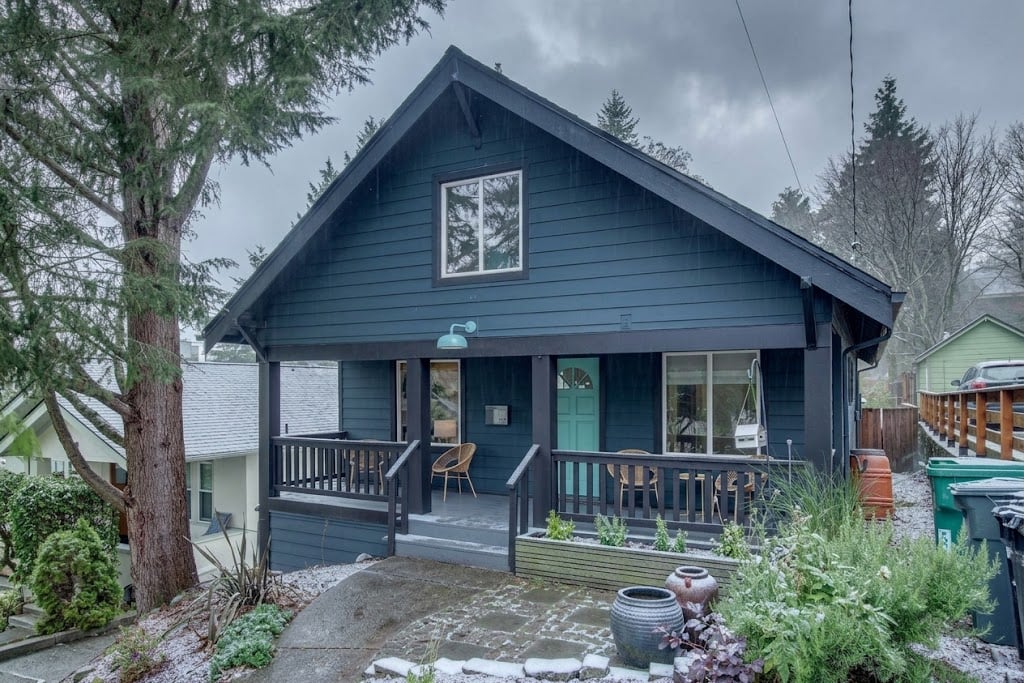
How Do You Prepare Your Home for Winter in Seattle?
The best way to prepare your Seattle home for winter is to focus on preventing water damage, protecting exposed plumbing, maintaining your heating system, and preparing for windstorms and power outages.
Here's my checklist of 10 things homeowners should take care of before winter settles in.
1. Make Sure Water Is Draining Away From Your Foundation
Why it matters: Poor drainage can allow water to collect around your foundation and contribute to moisture problems in basements and crawlspaces.
In Seattle, managing water around your home is a big deal, especially once the rainy season gets going.
One of the best things you can do is take a walk around your property during a heavy rain.
Look for areas where water is pooling, soil is washing away, or downspouts are dumping water too close to your foundation.
If you have a sump pump, make sure it's working properly before you actually need it.
Water problems can get expensive quickly, especially when moisture starts making its way into crawlspaces, basements, and foundations.
My advice: Don't wait until you notice water inside your home to investigate drainage problems. Catching them early can save you a lot of money and headaches.
2. Protect Your Pipes From Freezing
Why it matters: Even short periods of freezing temperatures can cause exposed or poorly insulated plumbing to freeze and potentially burst.
We don't get extended freezing temperatures very often in Seattle, but when we do, frozen pipes can cause some serious damage.
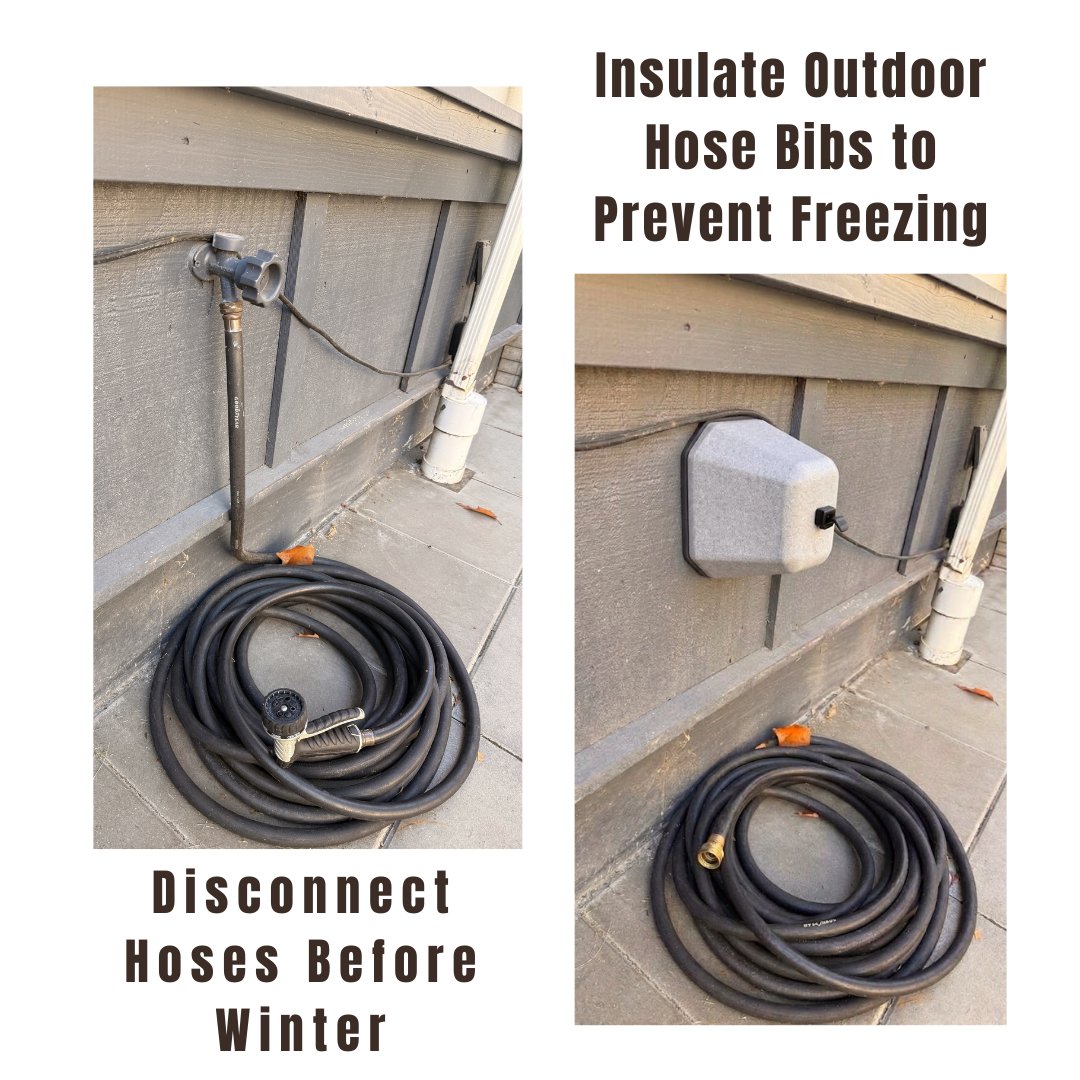
Disconnect garden hoses, protect outdoor faucets, and insulate exposed pipes in unheated areas.
One thing I especially want to point out is rooftop decks.
If you have a hose connected to a faucet on your rooftop deck, disconnect it and insulate the hose bib before freezing temperatures arrive. Those exposed faucets and pipes can be particularly vulnerable.
Take a look around the exterior of your home, too. If you see exposed plumbing, make sure it's properly insulated or protected from freezing temperatures.
And don't wait until the forecast calls for temperatures in the teens to start thinking about it. Pipes can freeze when temperatures fall below freezing, depending on their exposure and insulation.
A little preparation now is much easier than dealing with a burst pipe and the water damage that comes with it.
3. Clean Your Gutters and Downspouts
Why it matters: Clogged gutters can cause rainwater to overflow, potentially damaging siding, roofing components, and foundations.
This is probably one of the most important winter maintenance tasks for homeowners in the Pacific Northwest.
With all the trees around Seattle, gutters can fill up quickly with leaves, pine needles, and other debris.
When water can't flow properly, it overflows and can end up exactly where you don't want it, including around your foundation or behind your siding.
Make sure your gutters are clear, downspouts aren't clogged, and water is being directed away from your home.
My tip: If you have a lot of trees around your property, cleaning your gutters once in the fall probably isn't going to cut it. You may need to do it several times throughout the season.
4. Inspect Your Roof Before the Heavy Rain
Why it matters: Damaged shingles, clogged roof valleys, and deteriorating flashing can allow rainwater into your attic and living spaces.
You don't need to climb onto your roof to give it a quick inspection. In fact, I'd recommend leaving that part to a professional.
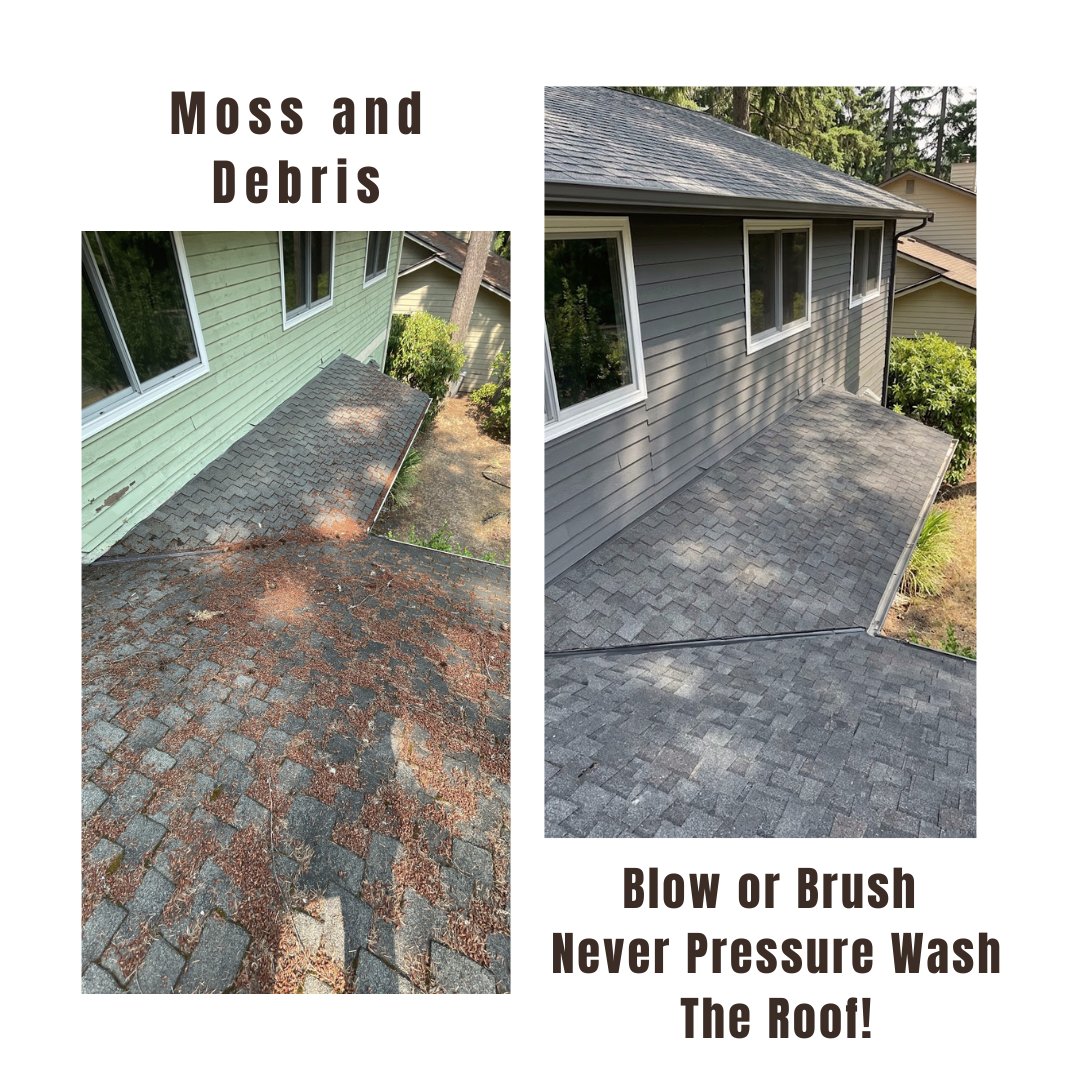
From the ground, look for missing or damaged shingles, debris collecting in roof valleys, and excessive moss buildup.
Pay particular attention to areas around chimneys, skylights, and other roof penetrations.
A small roof leak can go unnoticed for months before you finally see a stain on your ceiling or discover moisture in your attic.
By that point, what might've been a relatively simple repair could turn into something much more expensive.
My advice: If you notice damaged roofing materials or signs of a leak, have a qualified roofing contractor evaluate the issue before the rainy season gets into full swing.
5. Have Your Furnace or Heat Pump Serviced
Why it matters: Regular heating system maintenance can improve efficiency, help extend equipment life, and reduce the likelihood of an unexpected breakdown.
The last thing you want is to discover your furnace isn't working during the first freezing weekend of the year.
Schedule a professional inspection and servicing of your furnace or heat pump before the cold weather arrives.
Replace or clean your filters according to the manufacturer's recommendations, and make sure your vents aren't blocked.
Regular maintenance can help your heating system operate more efficiently and reduce the chances of an unexpected breakdown.
Here's a pro tip that a lot of homeowners don't know about:
Many heating companies give priority scheduling to customers who have their systems serviced regularly.
That relationship can make a big difference when something goes wrong in the middle of winter.
Depending on the company, being an established maintenance customer could mean getting someone out in a day or two instead of waiting much longer during their busiest season.
It's worth asking your HVAC company whether they offer priority service for regular maintenance customers.
6. Check Your Crawlspace and Attic for Moisture
Why it matters: Moisture in crawlspaces and attics can damage insulation, contribute to wood deterioration, and create conditions where mold may grow.
This is one of those maintenance items that's easy to forget because most of us rarely spend any time in these spaces.
But in our climate, moisture problems can develop quickly, and you might not realize there's an issue until it's become a much bigger problem.
In your crawlspace, look for standing water, wet insulation, condensation, musty odors, or signs of pests.
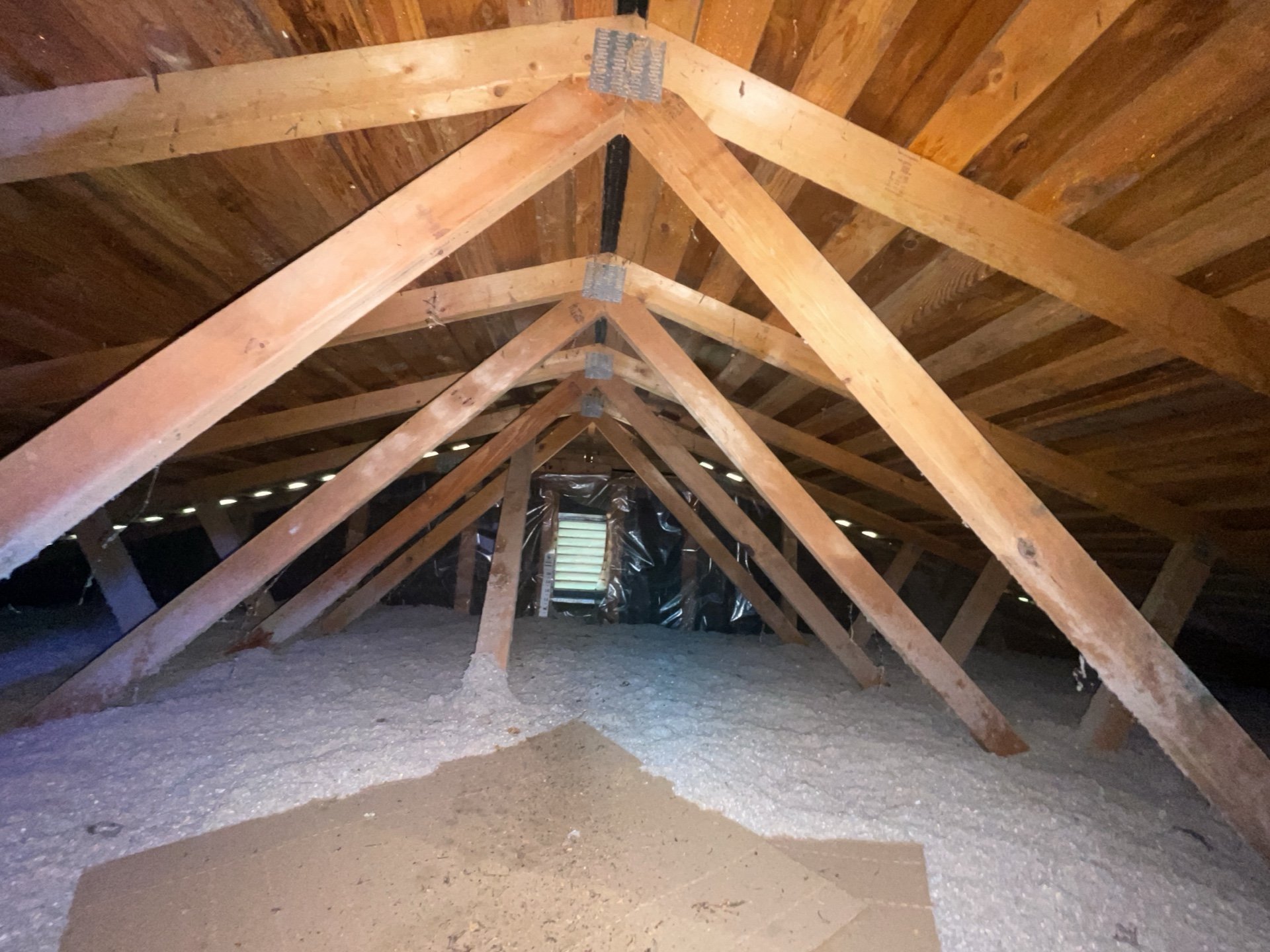
In the attic, keep an eye out for roof leaks, moisture staining, condensation, and ventilation issues.
If you notice anything unusual, have a qualified professional take a look.
I've seen plenty of inspection reports where moisture problems in crawlspaces and attics became significant expenses.
These are definitely areas worth keeping an eye on. If either space is difficult or unsafe to access, leave the inspection to a professional.
7. Inspect Windows, Doors, and Weatherstripping
Why it matters: Worn weatherstripping and deteriorating caulking can allow cold air and moisture into your home.
Cold drafts aren't just uncomfortable. They can also drive up your heating bills.
Take a look at the weatherstripping around your exterior doors and windows.
Check for deteriorating caulking, gaps, and any signs that water might be getting inside.
Replacing worn weatherstripping is usually a relatively inexpensive project that can make a noticeable difference in how comfortable your home feels.
It can also help reduce the amount of energy you're using to keep your home warm.
8. Prepare Trees and Landscaping for Winter Storms
Why it matters: Windstorms can bring down damaged branches and unhealthy trees, potentially causing serious property damage.
We get our share of windstorms in the Pacific Northwest, and trees can become a serious concern when the weather turns.
Look for dead branches, damaged limbs, or trees that appear unhealthy, especially those close to your home.
We've also experienced some unusually dry periods in recent years, which can put additional stress on trees. Drought stress can weaken trees, making it another reason to pay attention to their condition before winter storms arrive.
Have a qualified arborist evaluate anything that looks concerning.
A large branch coming down during a windstorm can cause significant damage to your home, vehicles, or neighboring properties.
While you're outside, trim landscaping away from your siding and make sure leaves and debris aren't blocking exterior drains.
9. Prepare Your Home for Winter Power Outages
Why it matters: Winter windstorms and falling trees can interrupt electricity, sometimes for extended periods.
If you've lived in the Seattle area long enough, you've probably experienced a winter storm that knocked out the power.
Sometimes it's only for a few hours. Other times, it can be days.
Make sure you have flashlights, batteries, portable phone chargers, and basic emergency supplies on hand.
If you use a generator, make sure it's properly maintained and always operate it outdoors, well away from windows, doors, and vents. Never use a generator inside your home or garage.
This is also a good time to test your smoke and carbon monoxide detectors.
My tip: Make it a New Year's tradition to check your detectors and replace batteries as needed. It's an easy way to remember an important safety task every year.
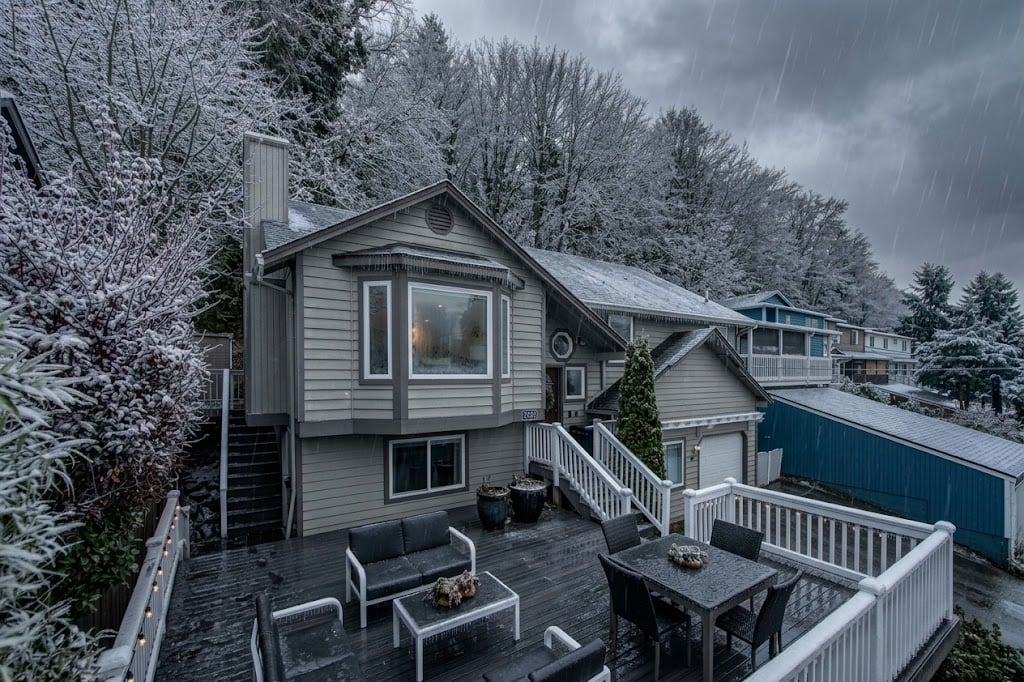
10. Maintain Decks, Patios, and Walkways
Why it matters: Wet leaves, moss, and algae can create slippery surfaces, while prolonged moisture can contribute to deterioration of wood decks and stairs.
Wet leaves, moss, and algae can make outdoor surfaces incredibly slippery during our rainy winters.
Clear debris from walkways, stairs, patios, and decks.
Check for loose boards, deteriorating railings, and drainage issues.
Our wet climate can be particularly hard on wood surfaces, so keeping them clean and staying ahead of maintenance can help extend their lifespan.
I'd also recommend keeping some environmentally responsible ice melt on hand before freezing weather arrives. Look for products appropriate for your particular surfaces and landscaping, and follow the application instructions.
You don't want to be searching for ice melt after everything has already frozen over and the stores are sold out.
Frequently Asked Questions About Winter Home Maintenance in Seattle
When should I prepare my Seattle home for winter?
September and October are good months to start preparing your home for winter in Seattle. Ideally, you should inspect your roof, clean your gutters, check drainage, and service your heating system before the heaviest fall and winter rains arrive.
Some maintenance, particularly gutter cleaning, may need to continue throughout the rainy season.
What is the most important winter maintenance task for Seattle homeowners?
Managing water is one of the most important winter maintenance priorities in Seattle.
Keeping gutters and downspouts clear, directing water away from the foundation, and checking roofs and crawlspaces for moisture can help prevent expensive damage.
How often should gutters be cleaned in Seattle?
Many Seattle homes benefit from gutter cleaning at least twice a year, but properties surrounded by trees may need more frequent cleaning.
Homes with large deciduous trees or evergreens nearby should have gutters checked regularly throughout the fall and winter.
Do I need to winterize outdoor faucets in Seattle?
Yes. Seattle occasionally experiences freezing temperatures cold enough to damage exposed plumbing.
Disconnect garden hoses, protect vulnerable outdoor faucets, and insulate exposed pipes as appropriate. Pay particular attention to plumbing on rooftop decks, exterior walls, and other exposed locations.
Can winter maintenance affect my home's resale value?
Yes. Regular maintenance can help preserve your home's condition and reduce the likelihood of problems being discovered during a buyer's inspection.
Roof leaks, drainage problems, crawlspace moisture, and deferred maintenance can lead to repair requests, additional negotiations, or unexpected expenses when selling.
A Little Maintenance Now Can Save You a Lot Later
Owning a home in Seattle and the Pacific Northwest comes with some unique maintenance challenges.
Most of them aren't particularly complicated, but ignoring them can get expensive.
My advice is to take a weekend, walk around your property, and make a list of anything that needs attention.
You don't have to tackle everything yourself, but knowing what's going on with your home is half the battle.
And if you're thinking about selling in the next year or two, staying on top of maintenance is even more important.
I see it all the time during home inspections. Issues that could've been addressed with routine maintenance end up becoming negotiating points, repair requests, or unexpected expenses for sellers.
Taking care of your home along the way is almost always easier than trying to catch up on years of deferred maintenance when you're ready to sell.
Have questions about which improvements or repairs are worth making before selling? I'm always happy to talk through what makes sense for your home and the Seattle real estate market.